Signs Your Chimney Cap Needs Replacement
Identify signs your chimney cap needs replacement, including rust, cracks, loose parts, damaged mesh, water leaks, corrosion, and visible deterioration.




Based on 500+ Reviews

Proudly American
Owned & Operated
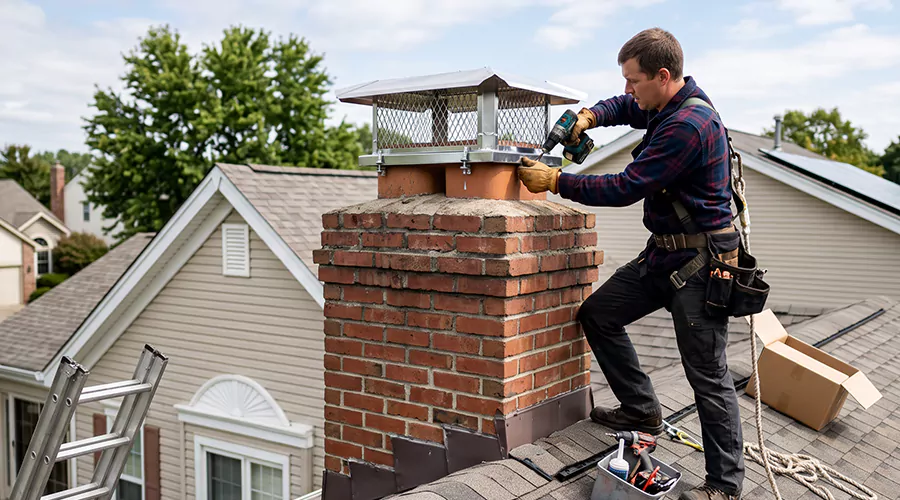
A chimney cap is an important protective component that helps keep rain, debris, animals, and other outdoor elements from entering the chimney system. Over time, chimney caps can become damaged due to weather exposure, rust, age, improper installation, or physical damage.
A damaged chimney cap may no longer provide proper protection and can contribute to problems such as water leaks, chimney blockages, animal intrusion, and masonry deterioration.
Recognizing the signs of a failing chimney cap can help homeowners consider chimney cover replacement before it leads to more expensive chimney repairs.
A chimney cap is installed over the top opening of a chimney and serves as a protective barrier.
A properly functioning chimney cap helps:
Most chimney caps include a metal cover and mesh screen that allow smoke to escape while preventing unwanted materials from entering.
Several warning signs indicate that a chimney cap may no longer be working properly.
Common signs include:
Rust is one of the most common signs that a chimney cap may need replacement.
Metal chimney caps are constantly exposed to:
Over time, rust can weaken the metal and create holes or weak areas.
A rusted chimney cap may:
If corrosion has spread across the cap, replacement is usually a better option than repair.
Many chimney caps include mesh screens that prevent animals and debris from entering the chimney.
A damaged screen may have:
A broken screen can allow:
to enter the chimney.
Replacing a damaged cap helps restore protection against unwanted entry.
A chimney cap should be securely attached to the chimney structure.
Signs of a loose cap include:
A loose chimney cap can:
Loose attachment may sometimes be repaired, but severely damaged caps often need replacement.
Over time, chimney cap components can become damaged or fall away.
Missing parts may include:
A chimney cap with missing components may not provide complete protection.
Replacing the cap ensures the chimney opening is properly covered.
Water inside the fireplace can indicate that the chimney cap is no longer preventing moisture entry.
Possible signs include:
While water leaks can also come from chimney crowns or flashing, a damaged chimney cap is one possible cause.
A functioning chimney cap helps prevent animals from entering the chimney.
Signs of animal intrusion include:
Animals inside the chimney can create:
A damaged or missing cap should be replaced to prevent future entry.
A chimney cap helps block outdoor debris from entering.
If you notice:
the chimney cap may not be functioning properly.
Debris accumulation can affect chimney airflow and increase maintenance needs.
A damaged or incorrectly designed chimney cap can sometimes affect airflow.
Signs of draft problems may include:
However, draft problems can have many causes, so a chimney inspection may be needed to identify the exact issue.
Severe weather can damage chimney caps.
Storm-related damage may include:
After strong winds, hail, or severe weather, inspecting the chimney cap can help identify damage early.
Even durable chimney caps eventually wear out.
The lifespan depends on:
Older chimney caps may develop:
Replacing an aging cap can prevent future chimney problems.
Ignoring chimney cap problems can lead to:
A damaged cap allows outdoor elements to enter the chimney system and affect other components.
Not every damaged chimney cap needs immediate replacement.
| Repair May Be Possible | Replacement May Be Needed |
|---|---|
| Loose fastener | Extensive rust |
| Minor attachment issue | Broken mesh screen |
| Small adjustment | Missing sections |
| Minor damage | Structural deterioration |
The condition of the chimney cap determines whether repair or replacement is the better solution.
The cost of replacing a chimney cap depends on:
Typical cost factors include:
| Chimney Cap Type | Cost Considerations |
|---|---|
| Galvanized steel | Lower-cost option |
| Stainless steel | Durable and corrosion resistant |
| Copper | Premium material |
| Custom cap | Designed for unique chimneys |
A higher-quality chimney cap may provide better long-term protection.
The lifespan of a chimney cap depends on the material.
Typical ranges include:
| Material | Expected Lifespan |
|---|---|
| Galvanized steel | 5–10 years |
| Stainless steel | 15–25+ years |
| Copper | 30+ years |
Weather conditions and maintenance can affect how long a chimney cap remains effective.
Regular maintenance can help extend the life of a chimney cap.
Helpful steps include:
Early maintenance can help prevent larger chimney problems.
When replacing a chimney cap, consider:
Popular options include:
The replacement cap should fit securely and match the chimney design.
Some basic chimney caps may be suitable for simpler installations, but replacement can be challenging.
Potential difficulties include:
Professional installation may be recommended for:
Signs that a chimney cap needs replacement include rust, damaged screens, loose attachment, missing parts, water entry, animal intrusion, and visible deterioration. A damaged chimney cap can allow moisture, debris, and animals to enter the chimney system, increasing the risk of damage to the fireplace and masonry structure. Replacing a failing chimney cap is a simple maintenance step that can help protect the chimney, reduce future repairs, and extend the life of the entire chimney system.
Signs include rust, broken screens, loose parts, water leaks, animal entry, and visible damage.
Yes. A damaged cap can allow rain and moisture to enter through the chimney opening.
Replacement depends on the material, condition, and exposure to weather.
Minor issues may be repaired, but severely rusted or damaged caps usually need replacement.
Stainless steel is a popular option because it is durable, corrosion-resistant, and requires little maintenance.
Yes. A properly installed chimney cap with a protective screen helps block birds and other animals from entering the chimney.
Identify signs your chimney cap needs replacement, including rust, cracks, loose parts, damaged mesh, water leaks, corrosion, and visible deterioration.
